
View mode
- Cards
- List
Climate Heroes Project
2022-11-18 • 10 comments • • Dundee Climate Fund
The Climate Heroes Project is centred on community action against climate change. Providing learning spaces and opportunities to protect the environment with the development of a School allotment and Eco classroom at St. Fergus Primary School, Ardler, Dundee.
It will focus on key themes such as energy efficiency, reducing waste and improving biodiversity by increasing awareness and engaging communities and young people in climate change. Our application is based on dialogues with parents, teachers, and pupils of the school. Whilst the main thrust of the proposal aims to address climate change, it also seeks to advance child learning and development. It will also involve the Development Worker of Ardler Village Trust as a link to other local environmental projects and connects well with other community learning initiatives aimed at saving energy and costs amidst a cost of living crisis.
The Eco Classroom - An Outbuilding situated in the school ground that will create an immersive experience for learning and engaging with the environment, whilst promoting wellbeing. Having an outdoor practical space for education makes subjects more vivid and interesting for children to enhance their understanding and aid creativity. We intend to reuse natural resources by harvesting rainwater on the roof and using solar power. We propose to have a mini weather station. By encouraging pupils to use it, we can create a hands-on approach to learning about the ways or climate changes over time.
The School Allotment - A vegetable garden that will provide wellbeing benefits as well as educational benefits to the pupils about sustainability, producing our own food and how to reduce the carbon footprint. the school kitchen, Early Evening Cafe at Ardler Complex and Community Fridge can make use of the produce, making sure nothing goes to waste. Having a link with Ardler Village Trust and access to other projects within the community will enable us to share skills, tools, and experience from community volunteers.
We propose rewilding areas of the playground for nature to regenerate and grow, which will support dwindling populations of native pollinators including bees and butterflies. We intend to enhance the biodiversity in the area by creating more green space, boosting the presence of insects and wildlife. Getting pupils involved in making bird boxes and maintaining the minibeast hotel provides opportunities to learn about how we care for wildlife.
By inspiring school children within the community to be aware and take care of nature and wildlife on our doorstep, we can promote the importance of looking after our environment. The increased green spaces will benefit the environment and our health by improving air quality, connection to nature and mindfulness. They will also function as a sustainable urban drainage system, which will in turn prove to be beneficial with the current climate change challenges. We believe there is a need for community action against climate change now, more than ever. we need to educate people today for a better planet tomorrow. The aim of the Climate Heroes Project is to help achieve this.
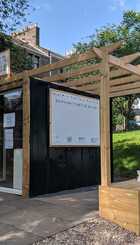
Reducing food waste in Dundee
2022-11-18 • 2 comments • • Dundee Climate Fund
Transition Dundee is a community-led social enterprise aiming to make Dundee a more sustainable, happier and healthier place to live through various climate-focussed initiatives. We would like to increase the amount of food saved from going to waste in and around Dundee, through our project 'Dundee West End Community Fridge' and our partnership with the Dundee Community Food Network (DCFN). The Community Fridge has been running since July 2019 and has so far saved over a whopping 220 tonnes of food, approximately 500,00 meals, and the same carbon reduction as planting and growing 11,500 trees! While our project is primarily about reducing food waste, it also offers dignified access to food for those in need because of the environmental focus and the fact that EVERYONE is encouraged to use it. We work closely with the DCFN and would like to share the extra food saved with the 25+ exisitng food projects, ensuring the food is spread across the whole city and many more people are able to benefit from it. We know there is much more food out there to be saved (and many more people in need of food given the cost of living crisis), so with this project we aim to double the amount of food we currently redistribute and there are three ways in which we would like to tackle this:
A Gleaning Group
The Gleaning Network is a network of community groups, organisations and farmers all over the UK who are working to reduce farm-level food waste. The Network exists to bring together and empower communities, enabling them to salvage surplus food left on farms; food which can then be redistributed through the DCFN, primarily benefitting those on a low income. There is not yet a formal Gleaning Group in Scotland, so Dundee would be the first – and we are in a prime position geographically between the produce-rich areas of Perthshire, Angus and Fife.
There are many reasons why farms have surplus – systematic overproduction, cosmetic standards, order cancellations, worker shortages and unpredictable weather. And it’s not always just farms – the Community Fridge team has often been asked to go and pick fruit trees from private gardens in Dundee when the owners are unable which we are not usually able to do. Tthe extra capacity would allow us to help reduce this waste too. The Gleaning Network provides a tried-and-tested toolkit for making sure our supervised visits to local farms are safe, fun and a worthwhile opportunity for local people to learn about where their food comes from, why waste reduction is important for the climate emergency and feed their community.
Electric Van
A second-hand electric van would allow the Community Fridge team to be more flexible and able to collect larger donations from supermarkets and other businesses when the offers are made, as well as to reduce our carbon footprint (by eliminating petrol/diesel car journeys currently made by our collection team). The van would also be used to collect and distribute the large volumes expected from gleaning days – meaning we would be able to take food to other projects in a sustainable way.
Inreased Community Engagement
There is increasing concern from our community about the impact of food waste and we would like to hold more workshops/events to show how small changes can make a big impact to the planet, our health and our bank balance. We would work in partnership with community groups and other organisations across the city to deliver this to reach as many people as possible!