
View mode
- Cards
- List

Fit For The Future
2022-11-14 • 44 comments • • Dundee Climate Fund
Significant energy efficiency measures in Dundee community space. Improving the efficiency of an 1888 building through insulation (both attic and underfloor), secondary glazing upgrading, installation of destratification fans (to better direct the heat towards the colder floor level from a 7m height) , solar PV panels and heat distribution measures to reduce carbon emissions by 34% and reduce heating output by 25-30%. The benefits of each have been detailed in an audit for the building. Our peak usage is also in the evening, when most of our classes take place. Battery power will allow us to generate and store during quieter daytime sessions to then allow for storage and use in the evening. Insulation will have a direct effect on the cold pool we have in the centre of our main practice space. Radiator heat goes straight up into our 7m vaulted space. With both insulation and 6 destratification fans, we could move an even heat to the lower levels as seen in the Dundee Rep. With soaring energy costs, we would be better able to direct resources towards maintaining our rich family and outreach programme providing a warm, welcoming and comfortable space.
With soaring energy costs, and reduced household income, and the organisation's core funds coming from community classes, we cannot put up class prices without increasing the pressure on our clients. With outreach classes 6 days a week, our free programmes also feel the effects of comfort and well-being in our space. Sharing our message about energy would also be a large part of our comms for the duration and after the project, as the most significant project we have taken on since our inception.
Duntrune Community Garden- SAMH Growing Chrysalis project
2022-11-16 • 1 comment • • Dundee Climate Fund
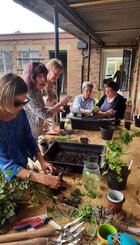
Growing Chrysalis, run by Scottish Association for Mental Health (SAMH) in Dawson Park, are transforming a disused bowling green into a multipurpose community space, directed by local need.
This project will bring people together, encouraging people to form new and stronger connections building community capacity and resilience. The space will create opportunities for the whole community to develop and share skills, to volunteer and to influence and improve this amazing greenspace. In addition SAMH will also deliver targeted sessions with schools, nurseries, colleges, families, intergenerational and disability groups.
We have already started transforming this unused, chemically treated, barren grass space into a wildlife and human friendly haven. We have set up several no-dig beds, mulched borders with woodchip and created a native wildlife corner, wildflower border and fruit beds, however there is a significant area of lawn that needs further investment.
Our climate change priorities include: -
- Improving biodiversity by taking wildlife friendly approaches e.g., animal habitats, welcoming insects, rewilding, no chemicals.
- Using climate resilient growing approaches e.g., perennial vegetables, drought tolerant plants, saving seeds, rainwater collection/irrigation, organic methods.
- Encouraging recycling, reusing, repurposing and using natural materials wherever possible e.g., seed and plant swaps, plant pot swap, upcycling, buying second hand, sourcing local materials.
- Supporting visitors and volunteers who face increased climate anxiety, with our experience of delivering mental health support.
We need funding that can push our project forwards and enable investment into the space as a shared community resource for years to come:
- Polytunnel/food forest/raised beds/tools - So that local residents of Douglas, West Ferry and the wider Dundee community, whatever their income, have access to affordable organic food on their doorstep. This will reduce their climate impact while providing opportunities to learn skills in climate friendly food growing.
- Composting area - Composting prevents food waste going to landfill while feeding our soil and teaching others how to do this at home.
- Rainwater catchment/water irrigation system – We want to collect our autumn and winter rainwater and store it for the drier Spring and Summer months, reducing reliance on tap water. This includes a self-watering polytunnel using irrigation from rainwater tanks.
- Outdoor kitchen/shelter – having opportunities to gather and share food will encourage people to socialise and discuss individual or collective ways to prevent climate change. With a welcoming atmosphere, sharing a table, preparing food together and eating with fresh ingredients we can demonstrate healthy climate-friendly habits that are accessible.